Me and My Anxiety is your podcast about anxiety, panic attacks, stress, and the nervous system. I’m Christina Hillesheim, a German bestselling author, and I know what it’s like to struggle with anxiety, panic attacks, and burnout. In this podcast, I share my personal experiences, helpful insights, practical tips, and simple exercises to help you better understand your anxiety, feel less alone, and find your way back to a calmer, more confident life.
You can listen to Me and My Anxiety for free on Spotify, Apple Podcasts, and other major podcast platforms. New episodes are released every Tuesday. I’d love for you to follow the podcast so you never miss an episode! ❤️




Do you feel constantly exhausted, even after a good night’s sleep? Do you experience dizziness, heart palpitations, or unexplained physical tension? Sometimes, stress and anxiety show up in your body long before you realize just how overwhelmed you feel.
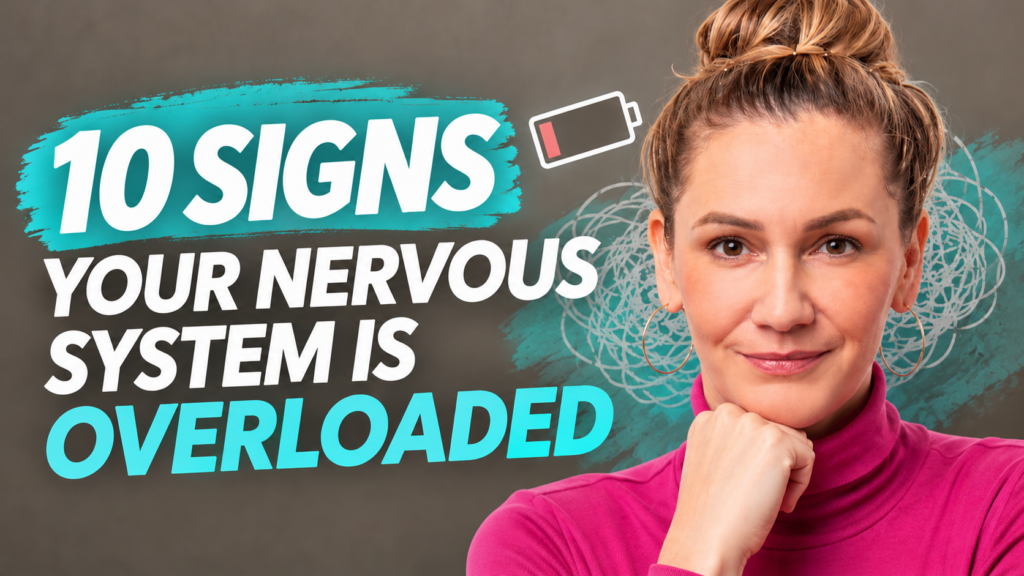
In this episode of Me and My Anxiety, host Christina Hillesheim explores 10 signs your nervous system may be overwhelmed and explains why chronic stress can affect your body in so many different ways.
Drawing on her personal experiences with anxiety, panic attacks, and burnout, Christina shares how to recognize possible signs of nervous system overload, understand your body’s stress response, and find practical ways to support yourself in everyday life.
Your nervous system is constantly working to keep you safe and help you respond to everyday challenges. When something feels threatening or stressful, your body becomes more alert. Your heart may beat faster, your muscles tense up, and your breathing may change.
This is a normal part of your body’s stress response. But what happens when that feeling of being on high alert doesn’t seem to go away?
Christina explains the relationship between the sympathetic and parasympathetic nervous systems and why both activation and relaxation are important. The goal isn’t to feel calm every second of the day. It’s to be able to move between activity and recovery.
During her own struggles with severe anxiety, Christina experienced what it felt like to be constantly tense, unable to switch off, and increasingly disconnected from a sense of calm.
And sometimes, the signs of prolonged stress are much less obvious than you might expect.
One possible sign of an overwhelmed nervous system is persistent exhaustion. You might sleep for hours and still wake up feeling drained. Or you may feel physically tired while your mind continues racing.
When anxiety becomes a constant companion, everyday life can feel surprisingly exhausting. Worrying, overthinking, muscle tension, and feeling permanently on alert can all contribute to the experience of being worn out.
Christina talks about her own experiences with anxiety-related exhaustion and sleep difficulties and explains why getting enough sleep doesn’t always mean feeling fully rested.
In the episode, you’ll discover why exhaustion can be connected to prolonged stress and what may help you recognize when your body needs more recovery.
One of the most frightening things about anxiety is how real and intense its physical symptoms can feel.
Maybe you’ve experienced a racing heartbeat while sitting quietly on the couch. Perhaps you’ve felt dizzy for no obvious reason or suddenly become very aware of your breathing.
These sensations can be especially unsettling when you don’t understand what’s happening.
Christina discusses several physical symptoms that can occur alongside anxiety and chronic stress, including:
She also explains how constantly monitoring your body can sometimes make uncomfortable sensations feel even more intense.
But these are only some of the 10 signs Christina explores. Other symptoms can be surprisingly easy to overlook because we don’t immediately associate them with stress or anxiety.
Of course, physical symptoms can have many causes. New, persistent, or concerning symptoms should always be medically evaluated rather than automatically attributed to anxiety.
When we think about anxiety, we often think about worrying, overthinking, or feeling afraid. But prolonged stress doesn’t only affect your thoughts and emotions. It can also influence how you experience your body and the world around you.
Christina explains why muscle tension, physical discomfort, and heightened sensitivity may become more noticeable during stressful periods.
She also explores an important question: Why do some people feel overwhelmed by situations that used to be completely manageable?
Whether it’s a busy day, a social gathering, or simply trying to relax after work, prolonged anxiety can make ordinary experiences feel unexpectedly demanding.
Understanding these connections can help you become more aware of your own stress patterns without feeling that you need to analyze every physical sensation.
Recognizing possible signs of nervous system overload is only the beginning. The next question is often: What can I actually do to feel better?
Christina shares practical insights from her own experience and discusses small changes that may help you feel more comfortable and balanced in everyday life.
These include becoming more aware of physical tension, approaching your breathing more gently, incorporating movement into your routine, and finding a healthier balance between rest and activity.
One important message from the episode is that you don’t need to force yourself to relax. Sometimes, putting pressure on yourself to feel calm can become another source of stress.
Instead, Christina encourages a more patient approach: learning to notice what your body needs, making manageable changes, and giving yourself time to recover.
In the episode, she shares additional examples and practical ideas you can try in your own daily routine.
If you’ve been dealing with anxiety or chronic stress for a long time, you may wonder how long it takes to feel like yourself again.
There’s no single answer. Recovery depends on many factors, including your personal circumstances, your health, and how long you’ve been experiencing stress.
Christina talks about why patience matters and why learning to feel more relaxed again can be a gradual process.
Rather than searching for one perfect technique or an instant solution, the episode encourages you to focus on small, realistic steps toward greater balance.
Are you experiencing more signs of nervous system overload than you realize? Listen to this episode of Me and My Anxiety to discover all 10 signs, better understand the connection between stress and physical symptoms, and learn what may help you feel more balanced in everyday life.

Interested in mental health, overcoming anxiety, and living a happier, more peaceful life? Sign up for my free newsletter and stay connected! Get updates on new podcast episodes, helpful blog posts, free resources, and exclusive tips to help you understand your anxiety and calm your nervous system. A little encouragement and inspiration, delivered straight to your inbox.